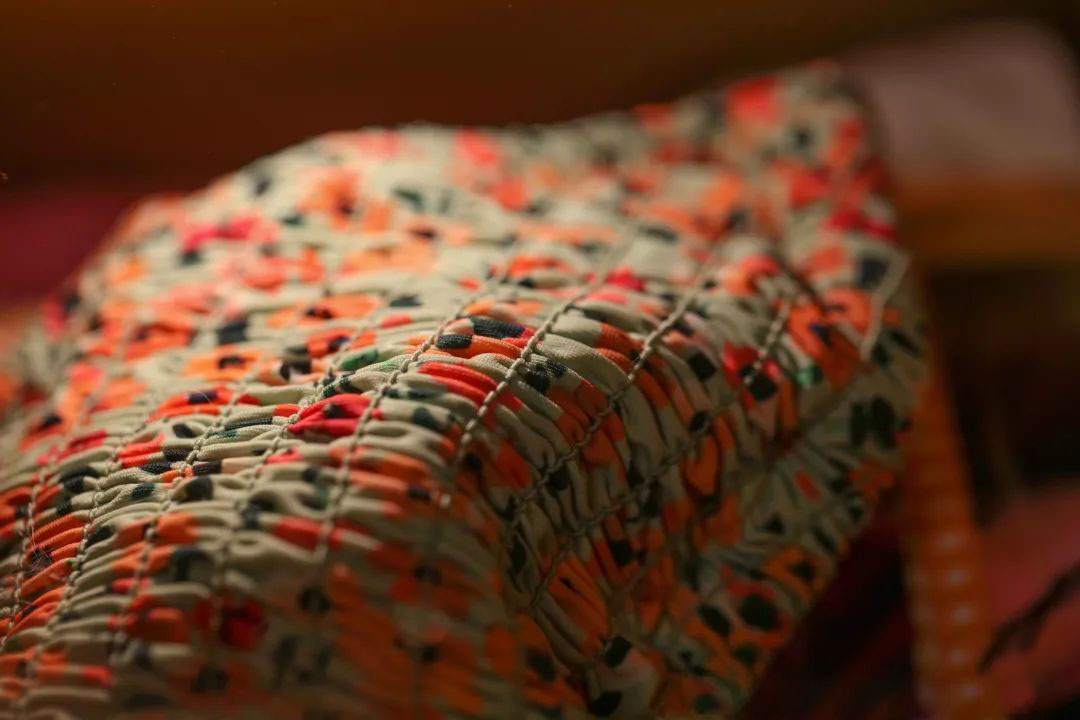
 Friendly fabrics are usually produced and processed using environmentally friendly materials and technologies such as environmentally friendly fibers, dyes, and finishing agents. They also undergo a series of environmental certifications and testing to ensure the environmental performance and quality of the products.
01 Organic cotton:Grown and processed using organic cotton without the use of chemical pesticides, fertilizers, and genetically modified chemicals.02 Recycled fabrics:Produced from recycled waste textiles, plastic bottles, and other raw materials, which can reduce the consumption and pollution of natural resources.03 Natural Fiber Fabrics:Such as linen, silk, wool, and other natural fiber fabrics produced using natural materials.04 Tencel Fabric:A fabric made from natural wood pulp fibers and environmentally friendly solvents in the production process.05 Non-woven fabric:Fiber materials produced using processes such as melt-blown and needle punching, which are non-toxic and can be recycled.It is important to note that environmentally friendly fabrics not only refer to theenvironmental performance of the production materials, but also need to consider the impact of the use and recycling process on the environment to achieve full life cycle environmental performance.
Traditional Fabrics And Environmentally Friendly Fabrics
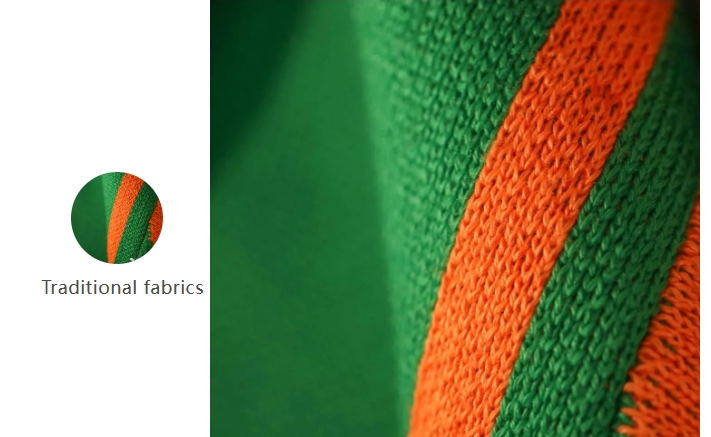
Traditional fabrics are usually made from natural or man-made fibers, such as cotton, silk, linen, and synthetic fibers. Although these fabrics have the characteristics of softness and comfort, they consume a lot of resources and energy during the production process and also produce a large amount of pollutants, which have a significant impact on the environment. In addition, these fabrics are also prone to wear and tear, pilling, fading, and have a relatively short service life.
In comparison, environmentally friendly fabrics use more environmentally friendly production processes and raw materials, such as recycled fibers, bamboo fibers, and organic cotton. These fabrics consume fewer resources and energy during production and do not produce a large amount of pollutants. Moreover, these fabrics have better strength, durability, and comfort, and have a longer service life than traditional fabrics.
Environmentally Friendly And Recycled Fabrics
Compared with traditional textile processes, clothing made from environmentally friendly and recycled fabrics is more environmentally friendly, sustainable, and can effectively reduce the impact on the environment.
This type of fabric uses recycled textiles and other resources, which not only saves resources and reduces pollution but also improves product sustainability.At the same time, environmentally friendly recycled fabrics not only have the advantage of environmental protection, but also better meet people's needs for soft and comfortable clothing
Environmentally friendly and recycled fabrics have a wide range of applications in the fashion industry and can be used to make various types of clothing, such as T-shirts, shirts, pants, skirts, coats. Moreover, environmentally friendly and recycled fabrics can also be blended with other fabrics to increase the texture and grade of clothing while also increasing the fabric's service life and reducing waste.
Traditional Fabrics And Environmentally Friendly Fabrics
Environmentally friendly and recycled fabrics have become a trend in today's fashion industry. More and more clothing brands are using environmentally friendly and recycled fabrics in clothing production to respond to environmental protection. With the trend of consumers' increasing awareness of environmental protection, the future development trend of environmentally friendly and recycled fabrics is very promising. The global market for environmentally friendly and recycled fabrics is expected to maintain rapid growth in the coming years
1 In The Future:
Environmental protection and recycling will become the trend and direction of the clothing industry.
2 Other Fabrics:
In addition to environmentally friendly and recycled fabrics, there are also other environmentally friendly fabrics that are gradually emerging, such as bamboo fibers and organic cotton, which will also become popular choices in the fashion industry.
Our Environmentally Friendly Fabric Clothing
As a professional clothing processing factory, we have been committed to promoting clothing made from environmentally friendly and recycled fabrics.Our clothing is made from environmentally friendly and recycled fabrics, which not only have high quality and comfort but also reduce the impact on the environment during production. Our products are of guaranteed quality and are also very affordable.
In order to better promote clothing made from environmentally friendly and recycled fabrics, we are also constantly innovating and improving.
We actively explore new research and development technologies, continuously improve product quality and performance, and meet consumers' demand for environmentally friendly and recycled fabrics. We are also actively expanding domestic and foreign markets, hoping to promote our products to more consumers.
Using Degradable Materials
The packaging we use is all biodegradable plastic. Compared with ordinary plastic packaging, biodegradable plastic packaging has better environmental performance, can effectively reduce the pollution and harm of plastic waste to the environment, and also reduces the use of fossil fuels in production and use, which has a positive effect on energy conservation and emission reduction.
The End
Finally, we call on everyone to act together to protect our environment, starting from small things such as reducing the use of plastic bags, garbage classification, etc., let's work together to promote clothing made of recycled fabrics to more people, together to make contributions to the cause of environmental protection, to protect the earth!



 BULK PRODUCTION PROCESS


